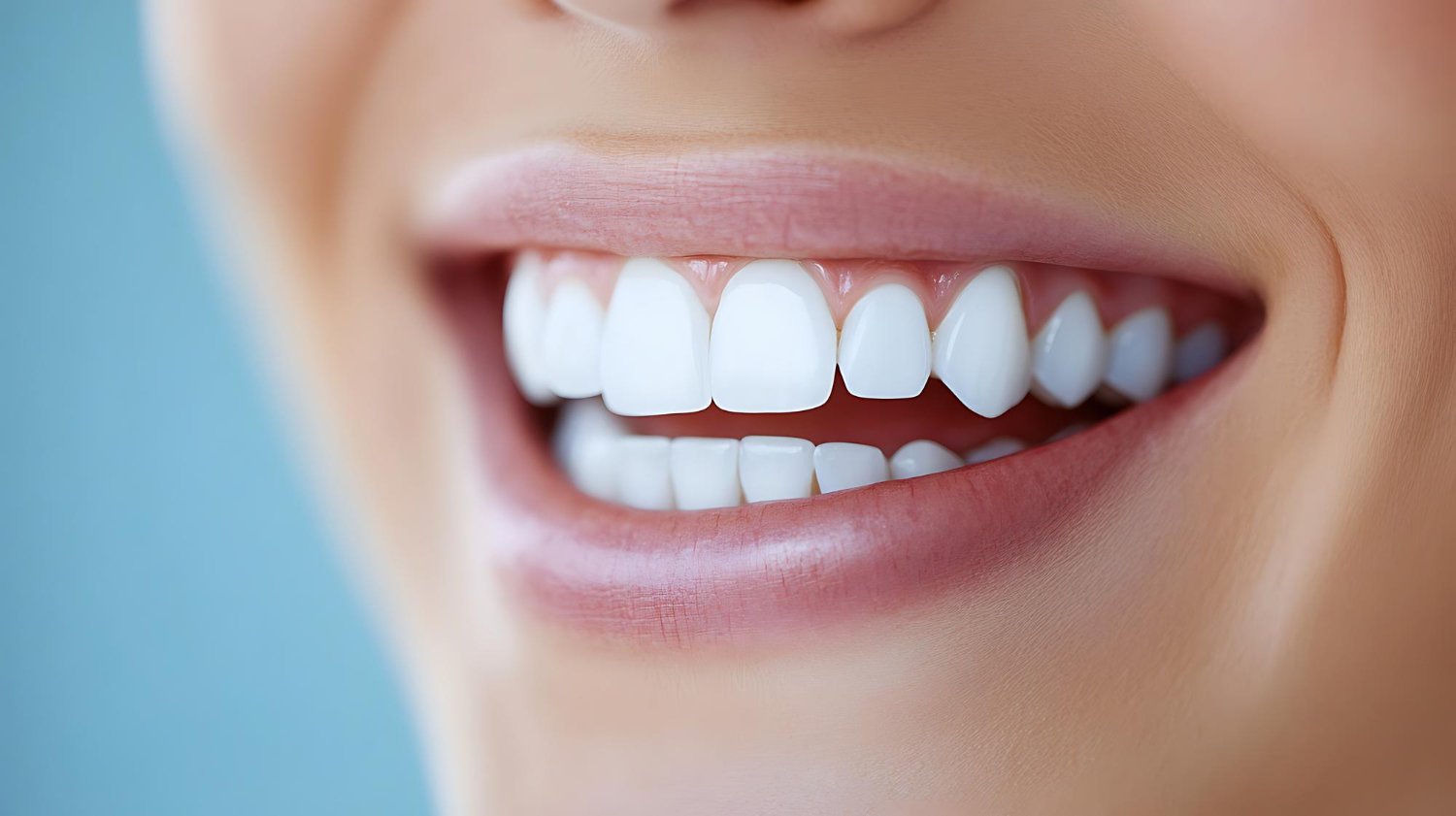
Over time, teeth lose their bright color; coffee, tea, smoking, and the passing years dull their natural luster. Teeth whitening is one of the most preferred aesthetic procedures that safely lightens these accumulated discolorations, bringing freshness back to your smile. The fact that it delivers noticeable results in a short period without damaging the teeth makes it a highly practical solution. A brighter smile often transforms how a person feels about themselves as well.
What is Teeth Whitening?
Teeth whitening is the process of lightening accumulated discolorations on the surface and within the enamel layer of the teeth using specialized whitening gels. The procedure can be performed in-office under a dentist's supervision or at home using custom-fitted trays prepared by the dentist. The whitening agent breaks down stains without altering the tooth's natural structure, achieving a lighter shade. The treatment does not intervene with the tooth structure itself; it simply brightens its color.
Who is it Suitable For?
Almost anyone who is unhappy with the color of their teeth, or experiencing yellowing or general dullness, can benefit from this treatment. It is ideal for those looking to refresh their smile before a special occasion, a wedding, or an important interview. Best results are obtained in individuals with healthy teeth and gums. For severe discoloration or in the presence of fillings and crowns, expectations should be clarified during an examination, as whitening agents do not affect artificial surfaces.
How is it Applied?
Before the procedure, an examination is performed to ensure that the teeth and gums are healthy; a professional dental cleaning is recommended beforehand if necessary. In in-office whitening, after the gums are protected, the whitening gel is applied to the teeth and activated with a special light. In at-home applications, the dentist prepares custom trays for you to use with the gel for specified periods. Often, both methods can be combined for optimal results.
Advantages
Whitening provides a distinct refreshment to your smile in a short amount of time. It is applied without harming the natural tooth structure. While the in-office method delivers rapid results in a single session, the at-home application allows you to proceed at your own pace. Performed under dental supervision, it is safe and predictable, with gel concentration tailored to the individual. Results can be preserved for a long time with proper care.
Treatment Process
In-office whitening is usually completed in a single appointment, allowing you to see results immediately. With at-home whitening, the process spans a few days as you wear the trays for the recommended duration. In some cases, a few sessions may be planned to reach the desired shade. If a pre-treatment dental cleaning is required, it is scheduled as a separate appointment. Your dentist will recommend the most suitable plan based on the condition of your teeth.
Recovery Period
There is no special recovery period after teeth whitening. Temporary tooth sensitivity may occur in the first few days, which subsides naturally within a short time. To ensure long-lasting results, it is recommended to avoid dark-colored foods and beverages (coffee, tea, red wine) as well as smoking during the initial days. You can maintain your bright smile for a long time through regular brushing and periodic check-ups.
Frequently Asked Questions
- Does teeth whitening damage the teeth? When performed under dental supervision with appropriate gel concentrations, it does not harm the teeth; it only lightens their color.
- How long do the results last? It depends on dietary habits and oral hygiene. Dark beverages and smoking cause results to fade faster, but with good care, the brightness is preserved for a long time.
- Will my crowns and fillings whiten as well? No. Whitening agents only affect natural tooth tissue. Crowns and fillings do not change color and may be renewed if necessary to match.
- Are over-the-counter home whitening products safe? Uncontrolled use of products can cause gum irritation and tooth sensitivity. The safest path is treatment conducted under a dentist's supervision.
- Is the procedure painful? It is generally painless. Aside from temporary sensitivity in some patients, no discomfort is experienced.
Add Freshness to Your Smile
Achieving a brighter smile doesn't require complex procedures. Teeth whitening restores the natural radiance of your teeth in a safe and practical way. You can schedule an examination appointment to determine the most suitable method for you and evaluate your candidacy.