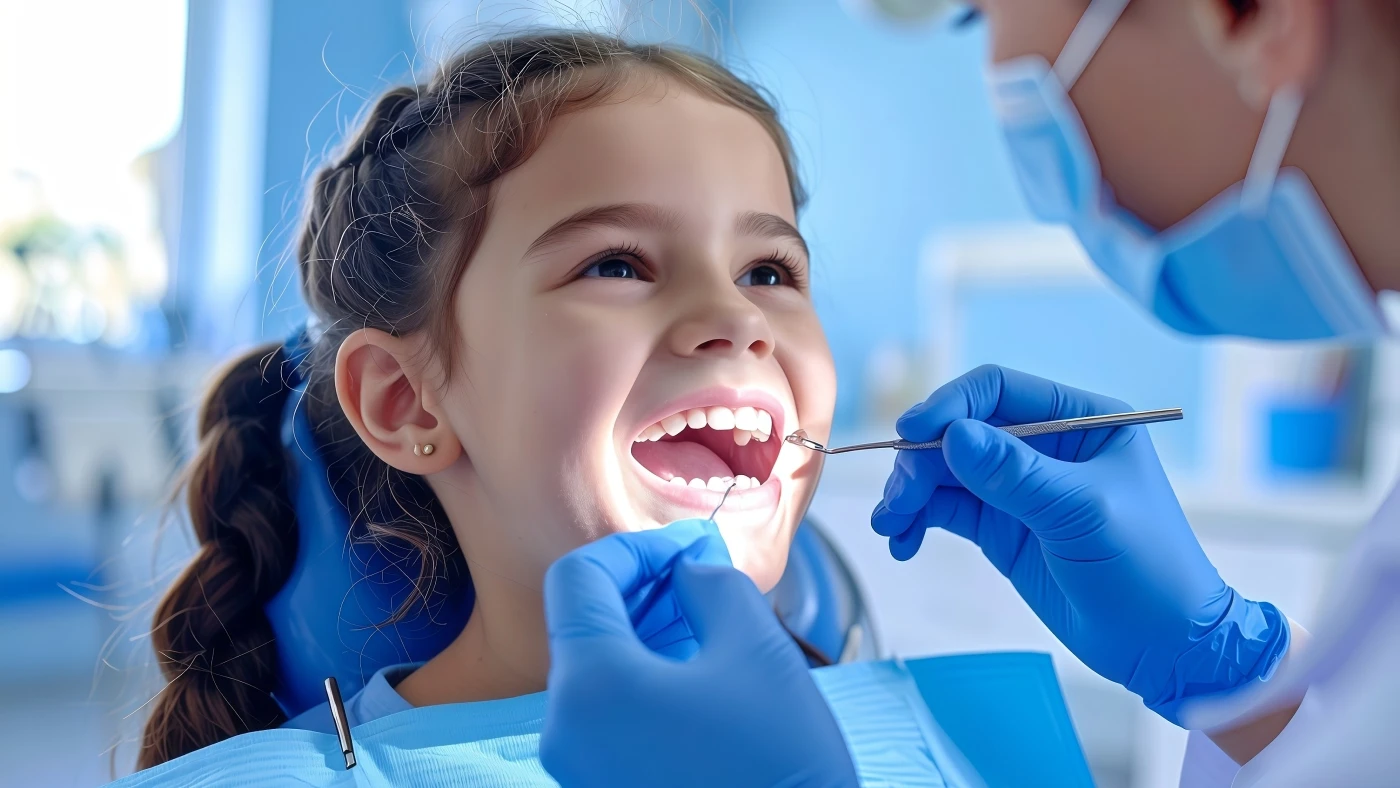
A child's first encounter with the dentist lays the foundation for lifelong oral health habits. Therefore, pediatric dentistry is not just about dental treatment; it is the art of building trust. When approached without fear, with patience, and in a language suited to the child, the dental chair ceases to be a frightening place. Since the health of primary (milk) teeth directly impacts the future of permanent teeth, this period deserves utmost care.
What is Pediatric Dentistry?
Pediatric dentistry (pedodontics) is the branch of specialty that focuses on the oral and dental health of individuals from infancy through adolescence. It covers a wide range of services, from treating cavities in primary teeth and applying preventive measures to monitoring jaw development and managing tooth loss. At the core of this approach is age-appropriate and psychologically aligned communication that minimizes anxiety. The goal is both to resolve existing issues and to prevent potential future problems.
Who is it Suitable For?
Every child should start regular dental check-ups from the moment their first primary tooth erupts. Children with noticed cavities, pain, or discoloration, as well as those who grind their teeth, suck their thumbs, or show jaw irregularities, should be evaluated. Regular follow-ups are also crucial for children who lose primary teeth prematurely, engage in sports, or carry a risk of dental trauma. Meeting the dentist early before dental anxiety takes root is the most valuable preventive step.
How is it Applied?
A child’s first visit often begins as an introductory consultation and examination; the objective is for them to become familiar with the environment and the dentist, fostering a sense of trust. Based on their needs, cavity treatments, preventive applications, or developmental tracking are performed. Preventive treatments like fissure sealants and fluoride act as shields for the teeth against decay. A language easily understood by the child is used during treatment, turning procedures into games to keep fear to a minimum. When necessary, parents are welcomed to stay alongside their child.
Advantages
Regular follow-ups started early allow minor issues to be solved before they escalate. Thanks to preventive applications, the risk of cavities is significantly reduced. Establishing a positive relationship between the child and the dentist facilitates cooperation in future treatments and prevents dental phobia. Keeping primary teeth healthy sets the stage for permanent teeth to erupt in correct positions. Parents are also informed about proper oral care routines.
Treatment Process
The process is tailored according to the child's needs. While a routine check-up is completed in a single appointment, cavity treatments or preventive applications may be spread over a few short sessions. Appointments are planned so as not to tire the child, with special care taken to end each session on a positive note. For regular monitoring, a check-up every six months is generally recommended. This allows development to be tracked and potential issues to be caught early.
Recovery Period
Most pediatric dental procedures require no special recovery period; the child returns to their normal daily routine on the same day. After fillings or similar treatments, simply avoiding very hot or cold foods for a short time is sufficient. For procedures like tooth extractions, your dentist will share simple care instructions with the parent. The most important support for healing is maintaining regular and correct brushing habits at home.
Frequently Asked Questions
- When should I bring my child for the first time? It is ideal to have an introductory visit when the first primary tooth erupts or by one year of age at the latest.
- Primary teeth will fall out anyway, is treatment necessary? Yes. Primary teeth are essential for chewing, speaking, and holding space for permanent teeth; if decay is left untreated, it can also affect the underlying permanent teeth.
- What is a fissure sealant? It is a protective application that covers the deep grooves and pits on the chewing surfaces of back teeth, reducing the risk of decay.
- My child is very afraid of the dentist, what can I do? Through a child-centered approach, gamification, and patient communication, this fear can be largely overcome. An early and positive introduction is the most effective way.
- Is fluoride in toothpaste harmful? Using an age-appropriate amount of fluoridated toothpaste protects against decay. Your dentist will recommend the proper amount.
A Strong Start for Your Child's Smile
Oral health habits acquired during childhood last a lifetime. We are by your side with a patient, fear-free approach tailored to your child's needs. You can schedule an appointment to plan your child's first check-up or treatment.