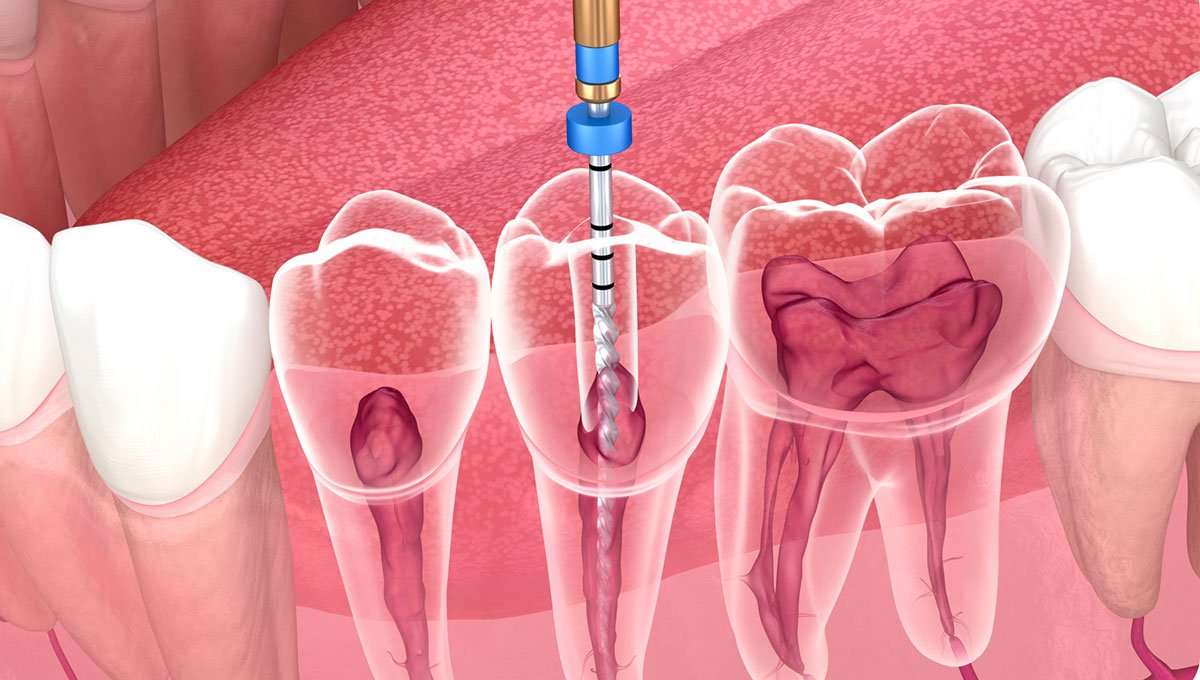
Throbbing tooth pain is often the silent cry of the nerve deep inside the tooth. Root canal treatment is the most effective way to save a severely decayed or infected tooth from extraction. Although it carried a daunting reputation in the past, today's modern techniques make the procedure as comfortable as a routine filling for most patients. The goal is simple: to allow you to keep living with your own natural tooth without needing an extraction.
What is Root Canal Treatment?
Root canal treatment is a procedure that addresses inflamed or infected pulp (the nerve and blood vessel tissue) inside the tooth. When this tissue is damaged due to deep decay, cracks, or trauma, pain and infection arise. During treatment, the internal canals of the tooth are cleaned, shaped, disinfected, and filled with a specialized filling material. Even though the living tissue inside is removed, the tooth continues to function normally within the jaw.
Who is it Suitable For?
Individuals experiencing severe toothache due to deep decay, prolonged sensitivity to hot and cold, tooth discoloration, or swelling in the gums should be evaluated. Teeth that are cracked, impacted by trauma, or have damaged nerves, as well as teeth with large old fillings that develop pain over time, are candidates for this treatment. In cases where infection has progressed but the tooth can still be saved, root canal therapy is the preferred alternative to extraction.
How is it Applied?
The process begins with an examination and digital imaging to evaluate the canal structure and the extent of infection. After the area is fully numbed, access to the interior of the tooth is created, and the infected tissue is removed. The canals are shaped with precision instruments, disinfected, and thoroughly cleaned. They are then sealed with a biocompatible filling material. Following the canal procedure, the tooth is typically restored and reinforced from above with a filling or crown to enhance its durability.
Advantages
The greatest benefit of root canal treatment is saving the tooth from extraction, allowing you to retain your natural smile. Because the source of infection and pain is eliminated, symptoms resolve quickly. Preserving the natural tooth is vital for the health of the jawbone and neighboring teeth. Thanks to modern techniques, the procedure is comfortable and virtually painless. When properly executed and appropriately reinforced, the treated tooth can remain healthy for many years.
Treatment Process
Root canal treatment is completed in a single session or across a few appointments depending on the case. While simple cases require only one visit, severe infections may need a few sessions for the canals to heal. Once the canal procedure is finished, the upper structure (filling or crown) is completed; this step is crucial for the long-term survival of the tooth. Recovery is monitored through post-treatment check-ups. Total duration varies based on the tooth's condition and the number of canals.
Recovery Period
In the first few days following root canal treatment, mild tenderness or sensitivity while chewing is normal and subsides shortly. During this period, avoiding hard foods on the treated tooth and not stressing it until the final restoration is placed is recommended. Once reinforced with a crown or filling, the tooth regains full function. Regular oral care and periodic dental check-ups ensure the longevity of the treatment.
Frequently Asked Questions
- Is root canal treatment painful? With modern techniques and effective local anesthesia, the procedure is painless for most patients. The actual pain usually stems from the infected tooth itself prior to treatment.
- How long does a root canal-treated tooth last? A tooth that is treated properly and appropriately reinforced can last for many years, and in most cases, a lifetime.
- Is a crown strictly necessary after root canal treatment? Especially on molars and teeth with significant structure loss, a crown is highly recommended to prevent future fractures.
- Is it better to extract the tooth instead of getting a root canal? Preserving a tooth that can be saved is almost always more advantageous than extraction followed by an implant or bridge. Natural teeth are always priceless.
- Will my tooth change color after treatment? Discoloration may occur over time in some teeth; if so, aesthetic dental solutions can easily restore its appearance.
Save Your Aching Tooth Without Extraction
Delaying severe toothache can cause the infection to progress and result in tooth loss. Root canal treatment is the most effective solution to save your tooth without extraction. Schedule your examination appointment without delay to evaluate your pain and protect your natural teeth.