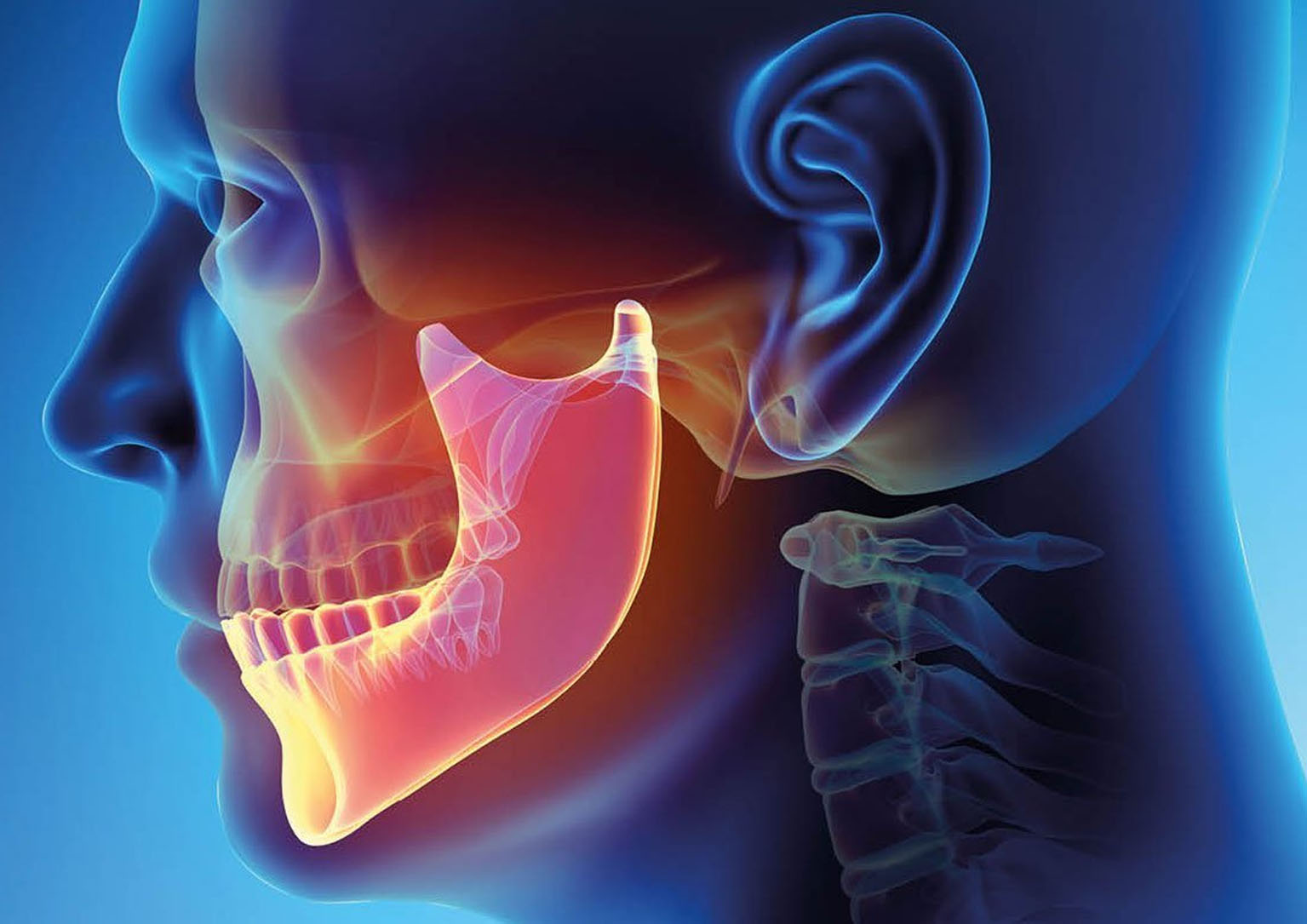
If you experience a clicking sound in front of your ear when opening your mouth, a feeling of catching while yawning, or pain while chewing, the problem might not be with your teeth but with your jaw joint. Jaw joint disorders are often overlooked because their symptoms can easily be confused with other issues like headaches, earaches, or neck stiffness. However, with an accurate diagnosis, these complaints can be significantly relieved. TMJ treatment makes operating your jaw comfortably and pain-free possible once again.
What is a Jaw Joint Disorder (TMD)?
The jaw joint is a complex joint connecting the lower jaw to the skull, enabling movements such as speaking, chewing, and yawning. It is clinically known as the temporomandibular joint (TMJ). Problems arising in this joint or its surrounding muscles manifest through symptoms like pain, clicking sounds, restricted movement, and locking. Teeth clenching, bite misalignments, stress, trauma, and structural changes within the joint are among the most common causes.
Who is it Suitable For?
Anyone who feels pain or hears sounds when opening and closing their mouth, or whose jaw occasionally locks or fails to open fully, should be evaluated. Those experiencing headaches of unknown origin, pain around the ears, or tension in the facial and temple areas may also be suffering from TMJ-related issues. Candidates for this treatment include individuals with a history of teeth clenching or grinding, bite misalignments, or those who have suffered trauma to the jaw.
How is it Applied?
Treatment begins with a detailed examination and medical history review, assessing joint movements, muscles, and the patient's bite. Imaging methods are utilized if deemed necessary. The therapeutic approach is tailored to the root cause of the problem and mostly begins with non-surgical methods. Custom-made joint splints, muscle relaxant applications, physical therapy-supported exercises, and bite adjustments are the most frequently used options. The goal is to reduce the load on the joint and relax the muscles.
Advantages
Accurate diagnosis and treatment significantly reduce long-standing pain and tension. In most cases, relief is achieved through non-surgical approaches. With restored jaw function, chewing, speaking, and yawning become comfortable again. Headaches and earaches stemming from TMJ disorders subside. Furthermore, preventing further damage to the joint halts the progression of long-term problems.
Treatment Process
The process varies depending on the type and severity of the issue. Following the examination and diagnosis, if a custom appliance like a splint is planned, impressions are taken, and the device is prepared within a few days. Treatment is generally a gradual process; progress is monitored through periodic check-ups, and the approach is updated as needed. Muscle-targeted exercises and habit modifications performed at home actively contribute to the treatment. Most patients feel significant relief within a few weeks.
Recovery Period
Non-surgical TMJ treatments feature a progressive relief phase rather than a separate recovery period. With regular use of splints and consistent exercises, complaints diminish over time. During this period, avoiding very hard or chewy foods for a while and refraining from wide mouth openings will support the healing process. Adhering to the habit modifications recommended by your physician is essential for lasting results.
Frequently Asked Questions
- Does a clicking sound in the jaw always require treatment? A sound on its own does not always require treatment, but if accompanied by pain, locking, or restricted movement, it should be evaluated.
- Do TMJ issues require surgery? Most cases are brought under control without surgery, using splints and supportive therapy. Surgery is considered only in advanced and selected cases.
- Could my headaches be related to my jaw joint? Yes. TMJ dysfunction and surrounding muscle tension are frequent causes of headaches of undetermined origin.
- Does teeth clenching affect the jaw joint? Absolutely. Continuous teeth clenching places excessive load on the joint and can lead to TMJ disorders; both conditions are often treated simultaneously.
- How long does it take for the treatment to work? Most patients start experiencing relief within weeks; the total duration varies based on the severity of the condition.
Use Your Jaw Comfortably Again
Jaw joint disorders can quietly diminish your quality of life. With proper diagnosis, a major portion of these complaints can be resolved. If you are experiencing pain, sound, or restricted movement, schedule an examination appointment to evaluate your condition.