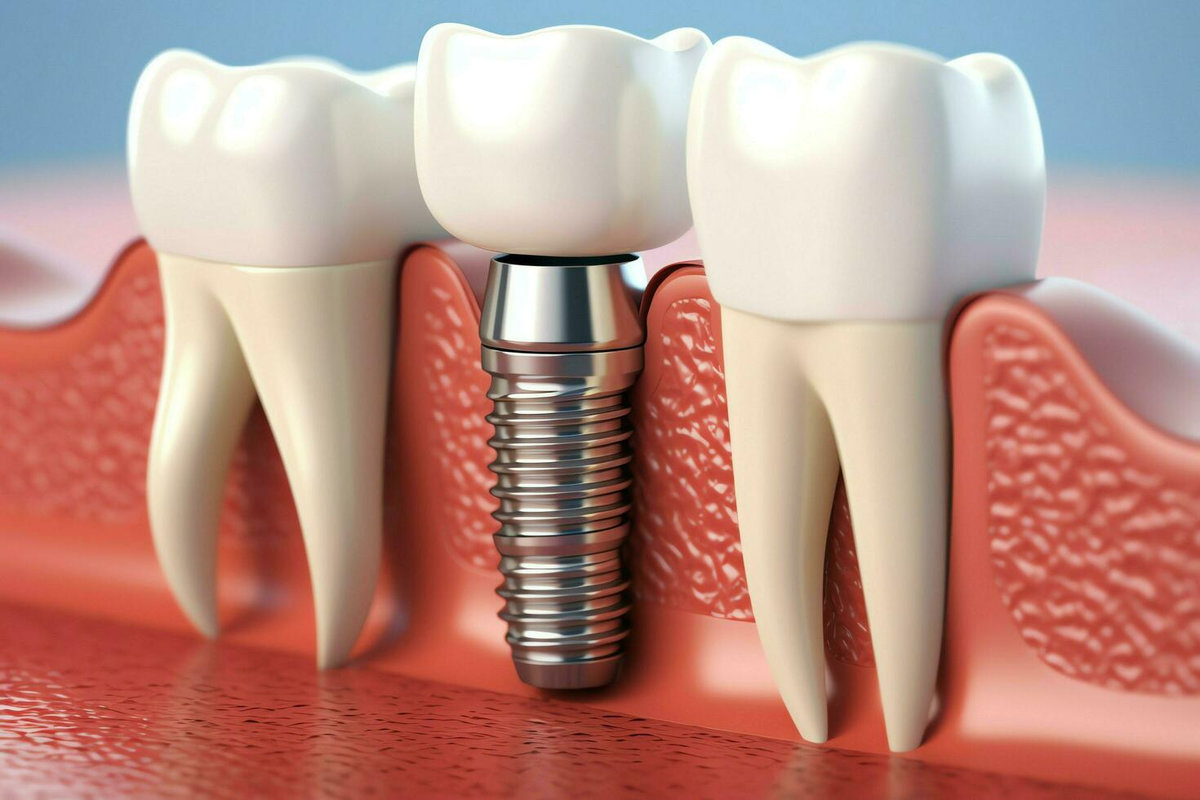
What Exactly Is a Dental Implant?
A dental implant is a titanium screw placed into the jawbone. This screw serves as a replacement for the missing tooth's root. Once integrated with the bone, a porcelain tooth (crown) is fixed on top. The result is a structure that is virtually indistinguishable from a natural tooth in both appearance and function.
Who Is Eligible for Dental Implants?
The primary requirement is having adequate jawbone density and height to support the implant. Beyond this, ideal candidates generally include:
- Individuals who have completed jawbone development (typically 18 years and older)
- Individuals with good overall oral health and adequate jawbone volume
- Individuals who have lost one or multiple teeth
Who Requires Additional Evaluation?
While implants can be applied to most people, certain conditions call for prior preparation or close monitoring. Uncontrolled diabetes, heavy smoking, untreated gum disease, and osteoporosis are among the top considerations. These conditions are not absolute contraindications; in most cases, treatment can be safely carried out after proper preparatory steps. If bone volume is insufficient, bone grafting can be performed prior to implant placement.
How Many Stages Does the Treatment Process Involve?
Implant treatment is not completed in a single visit; the bone needs time to integrate with the implant. The process generally proceeds as follows:
- Initial Examination and Digital Planning: Jaw structure is evaluated through 3D imaging (panoramic X-ray / CT), and the treatment plan is established.
- Surgical Placement: Under local anesthesia, the implant screw is precisely positioned into the jawbone.
- Healing Period (Osseointegration): Time is allowed for the implant to fuse with the bone—typically taking around 2 to 3 months for the lower jaw and 3 to 6 months for the upper jaw.
- Prosthetic Phase: Once healing is complete, measurements are taken, and the custom porcelain crown is attached to the implant.
What Should Be Considered During the Healing Period?
Mild swelling and sensitivity for a few days post-procedure are normal. Avoiding hot and hard foods during this time, adhering strictly to the dentist's recommended oral care routine, and refraining from smoking will directly accelerate recovery. The long-term success of an implant depends heavily on regular brushing and bi-annual check-ups.
Conclusion
When properly planned, dental implants offer a permanent solution that can be used comfortably for decades. The only way to determine if you are a suitable candidate is through a comprehensive oral examination and digital imaging evaluation. If you have missing teeth, you can schedule a consultation appointment to discuss your options.