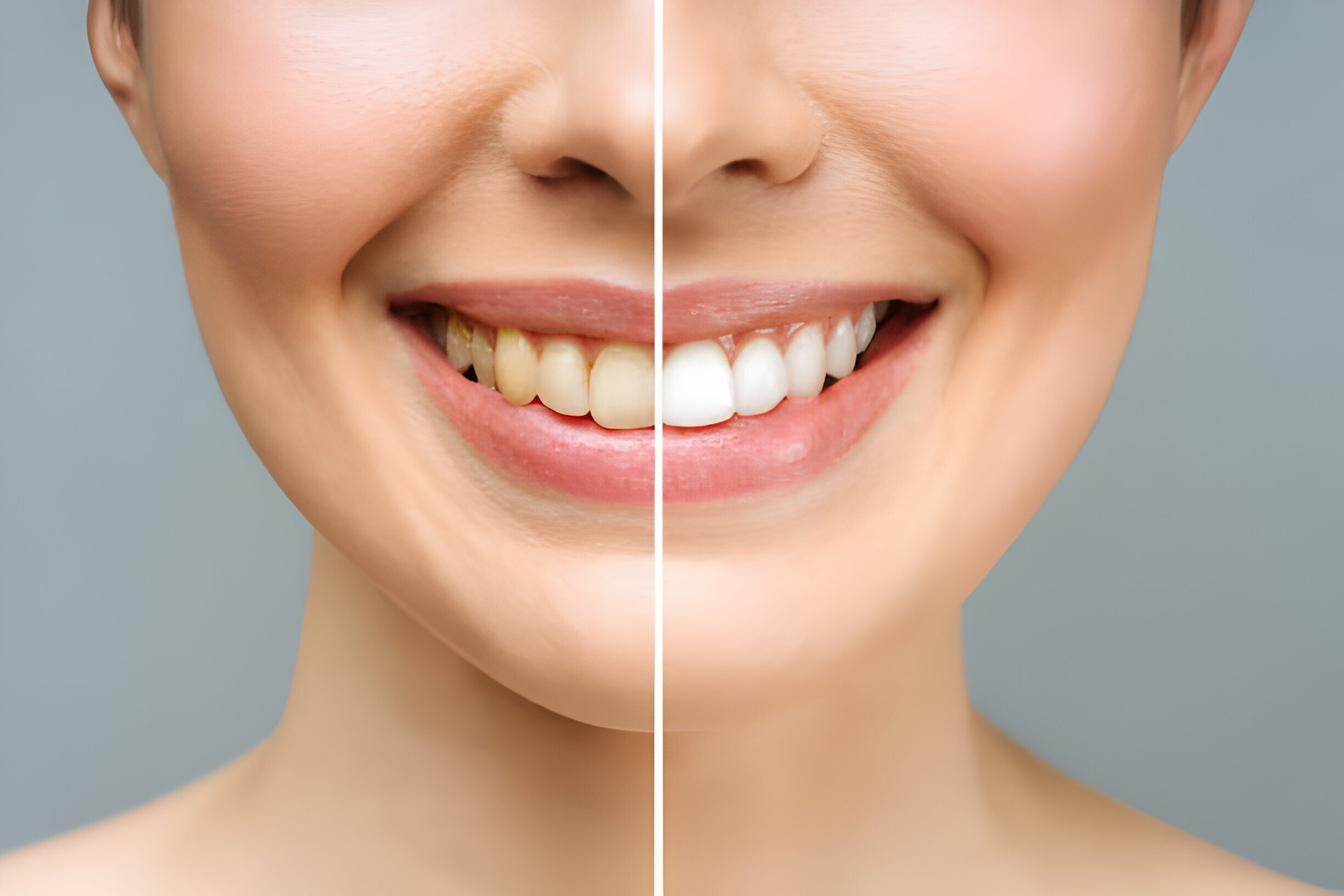
A bright white smile is something most people desire, yet many remain confused about how to achieve it. The internet is flooded with dozens of "natural" remedies like baking soda, lemon, and activated charcoal. Some of these do not work at all, while others cause permanent damage to the teeth. In this article, we discuss the whitening methods that truly deliver results and how long those results actually last.
Why Do Teeth Turn Yellow?
There are two main causes of tooth discoloration. The first is extrinsic (external): tea, coffee, smoking, and dark-colored foods leave stains on the tooth surface over time. The second is intrinsic (internal): the thinning of enamel with age, certain medications, or trauma cause the internal shade of the tooth to darken. Identifying which type of discoloration you have is key to choosing the right approach.
In-Office Whitening (Professional Chairside)
Whitening performed under a dentist's supervision is the fastest and safest method. After protecting the gums, a whitening gel is applied to the teeth and typically activated using a specialized light source. Significant brightening is achieved in just a single session. The primary advantage is that the procedure is carried out by an expert, preventing any harm to the gums.
At-Home Whitening (Custom Tray System)
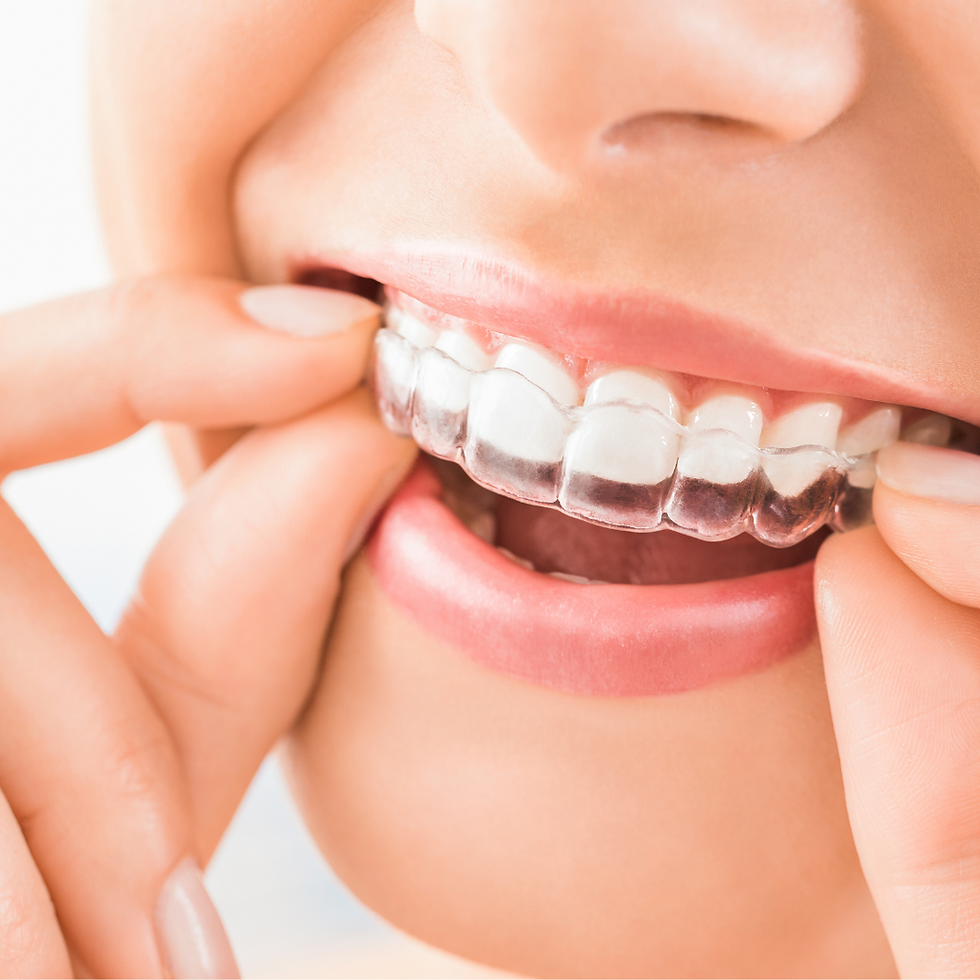
In this method, the dentist creates a custom tray tailored specifically to your mouth. You apply the prescribed gel inside the tray and wear it at home for specified durations. While results take longer than in-office whitening, it is highly effective when used consistently. Unlike over-the-counter whitening strips sold in stores, these trays are custom-fitted to your teeth and the gel concentration is properly prescribed by your dentist.
How Long Do Results Last?
Teeth whitening is not a permanent procedure; its effects typically last between one to three years. This duration relies heavily on personal habits. For individuals who consume a lot of coffee or smoke, color regression will occur sooner. Steering clear of dark-colored beverages and foods during the first 48 hours post-treatment directly enhances the longevity of the results.
Why Be Cautious with Home Remedies?
Ingredients like baking soda and lemon juice may temporarily polish the tooth surface, but their acidic and abrasive nature thins the protective enamel layer. Once enamel is worn down, it does not regenerate, leaving your teeth significantly more sensitive. It is simply not worth risking long-term damage for a temporary quick fix.
Is Whitening Suitable for Everyone?
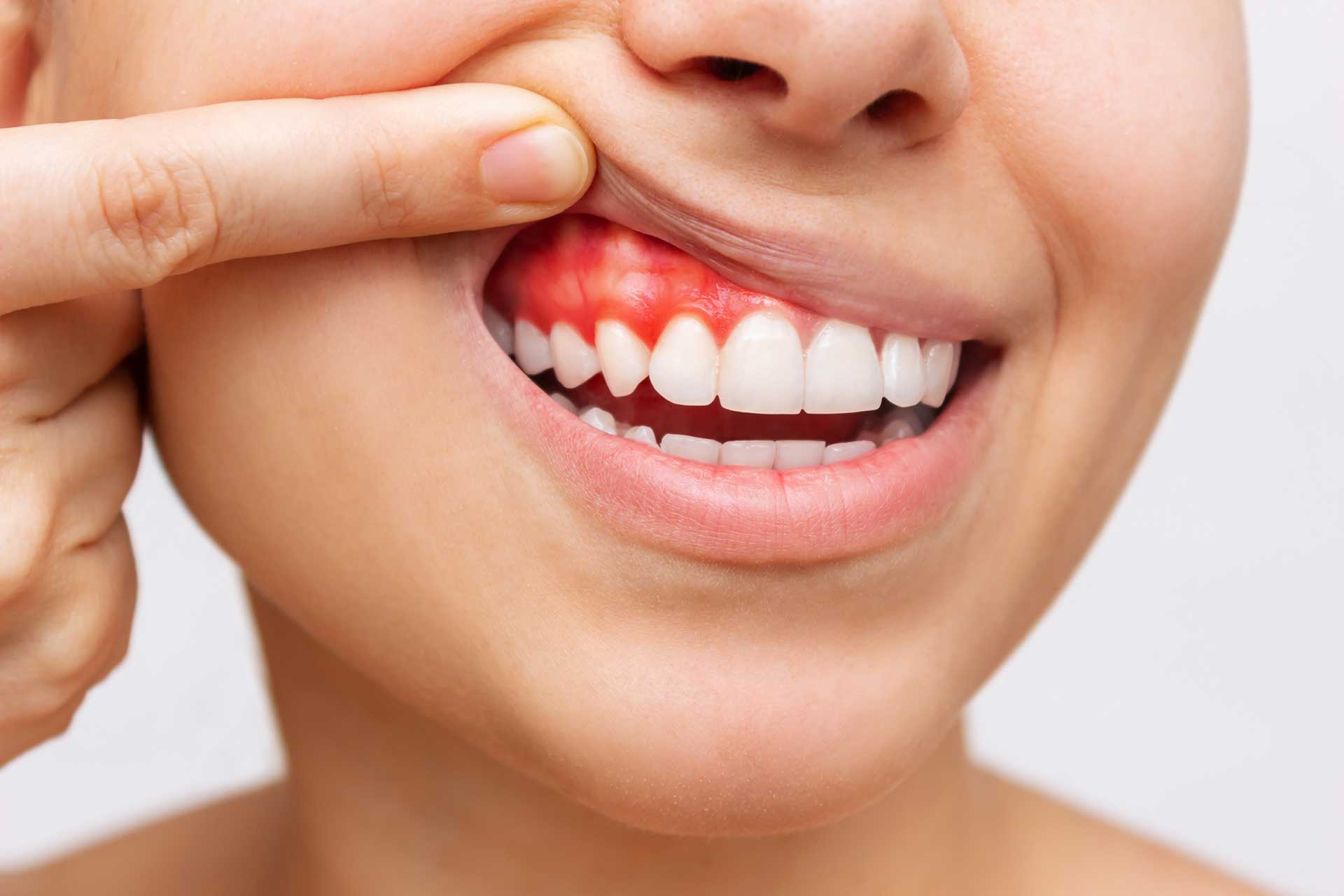
For individuals with active cavities, leaking restorations, or gum disease, these issues must be addressed before proceeding with whitening. Additionally, existing fillings and crowns do not respond to whitening gels; if you have crowns in the front region, color matching must be planned separately. Therefore, a preliminary dental examination is the safest and most effective starting point for optimal results.
Conclusion
When executed with the correct method, teeth whitening is a safe and highly effective procedure. The approach best suited for you depends on the root cause of the discoloration and your overall oral health. If you are considering brightening your smile by several shades, you can start by booking a consultation appointment.