Why Do Gums Bleed?
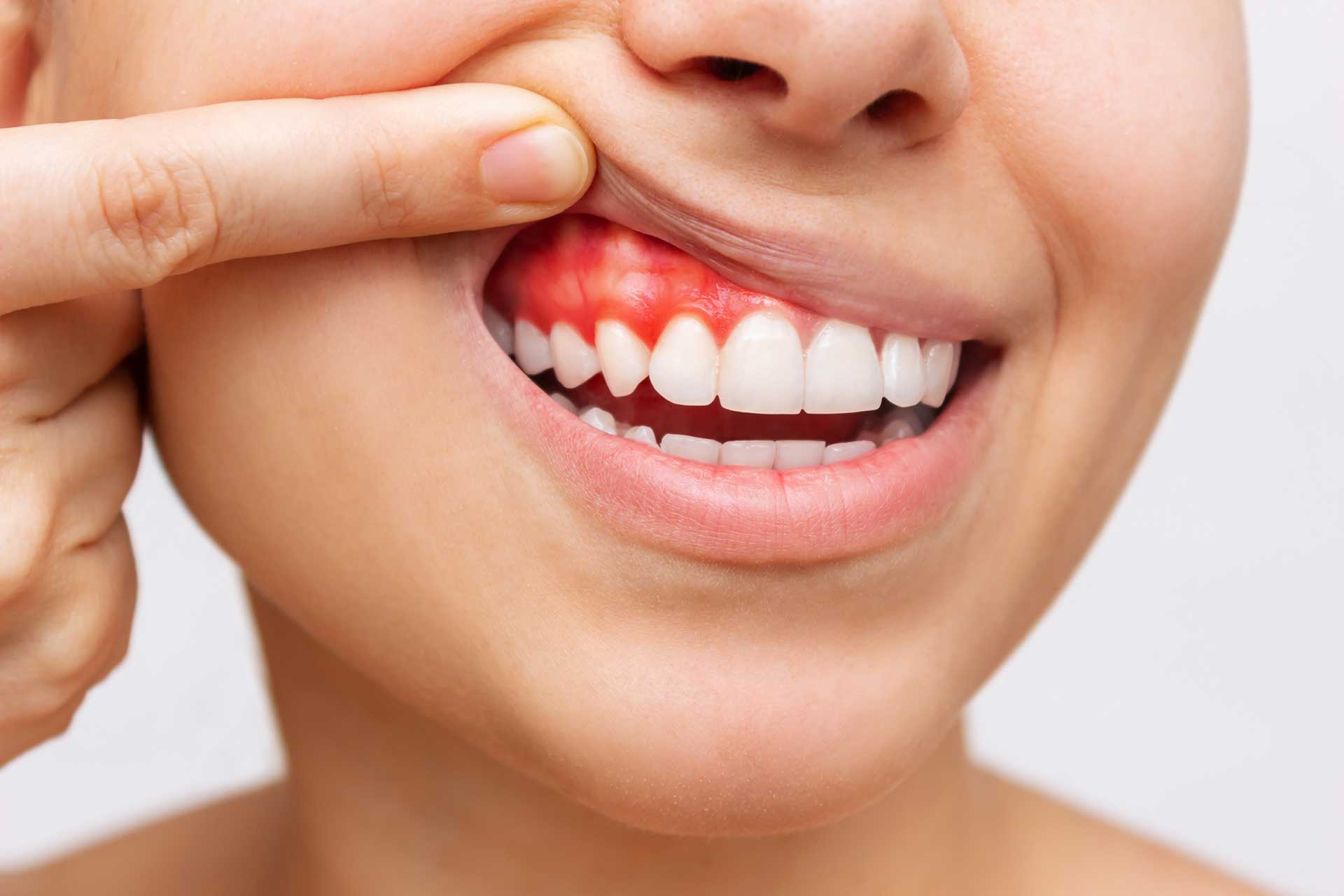
The most common cause of bleeding is bacterial plaque that accumulates at the gumline. If this plaque is not cleaned away, it hardens over time into tartar (calculus) and inflames the gums. Inflamed gums become red, swollen, and bleed at the slightest touch. This condition is called gingivitis, and at this early stage, it is completely reversible.
When Should You Take It Seriously?
An occasional, one-off instance of bleeding is usually nothing to worry about. However, bleeding that recurs during most brushings—especially when accompanied by gum recession, persistent bad breath, or slight tooth mobility—should never be ignored. These can be signs that the inflammation has advanced from the gums to the underlying jawbone (periodontitis). Bone tissue lost at this stage does not regenerate on its own.
How Is It Treated?
The first step of treatment is professional scaling (tartar removal). Plaque and tartar attached to the tooth surfaces and below the gumline are cleared using specialized instruments. In most mild cases, bleeding stops within a few days following this cleaning when paired with proper oral hygiene at home. If inflammation is more advanced, additional procedures such as deep cleaning (root planing) may be necessary.
What Can You Do at Home?
Stopping brushing because your gums are bleeding is the most common mistake; this actually allows plaque to accumulate even more. The correct approach is to continue brushing gently but consistently with a soft-bristled brush and to incorporate dental floss into your daily routine. Bleeding may slightly increase in the first few days, but as your gums regain their health, it will subside and stop.
Conclusion
Gum bleeding is one of the easiest oral health issues to resolve when caught early. If you have been experiencing persistent bleeding, it is best to schedule an examination and scaling check-up to identify the underlying cause.